Estate cleanouts in PA help families and property owners sort and clear a home after an inheritance, foreclosure, or major change. A good plan protects important belongings and sets aside items for donation or sale. Newton Massachusetts Junk Removal can help prepare a property for cleaning, repairs, sale, or a new occupant.
Table of Contents
- What does an estate cleanout in Pennsylvania involve?
- How should you prepare a property for an estate cleanout?
- What items can be removed during a Pennsylvania estate cleanout?
- How do you handle sensitive belongings during a cleanout?
- How can a cleanout prepare a foreclosed property for sale or turnover?
- What affects the time and effort required for an estate cleanout?
- How do you choose an estate cleanout service in Pennsylvania?
- Frequently Asked Questions
What does an estate cleanout in Pennsylvania involve?
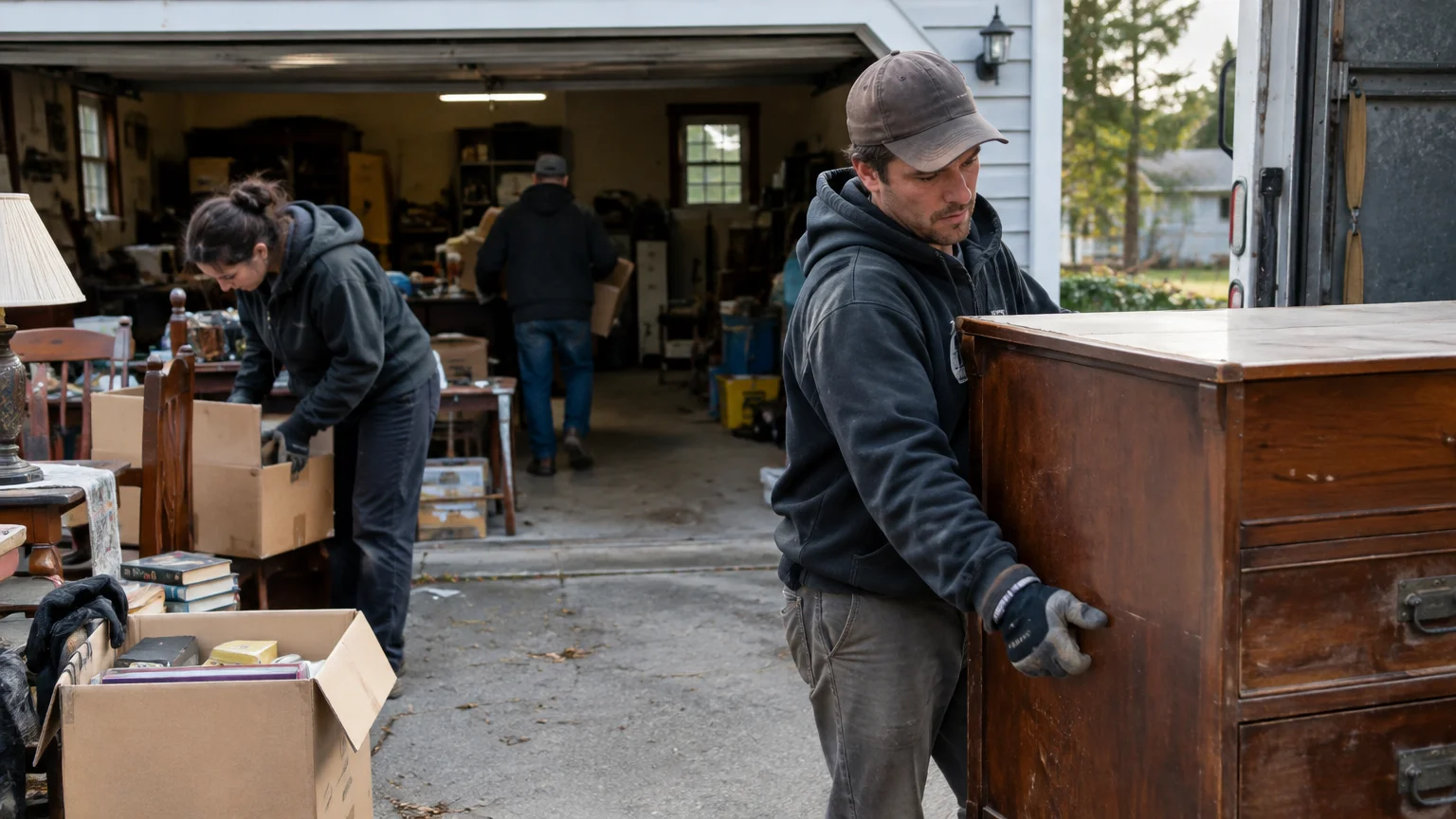
An estate cleanout is a planned way to sort and remove belongings from a home or property. It may include furniture, appliances, household goods, and leftover debris. The goal is to leave the space in the agreed condition, such as ready for cleaning, repairs, sale, or handover.
How an estate cleanout differs from ordinary junk removal
Ordinary junk removal often means taking away a few unwanted things. An estate cleanout may involve many rooms or most of a home’s contents. It can also call for careful sorting and clear choices about what stays.
The words estate cleanout services may mean help with a whole home, a garage, or a few rooms. Every job is different. Some homes have just a few things to remove, while others need sorting before anyone can clean or inspect the rooms. Office cleanouts are different because they often focus on work items, furniture, and office records.
When cleanouts are needed for inherited or foreclosed properties
Families may need a cleanout after inheriting a home or settling an estate. An executor, property owner, or manager may also need one after foreclosure, a tenant move-out, or a change in ownership. In each case, first find out who can make choices and what must stay.
For an inherited property in Newton, clear directions can make decisions easier for family members. Newton Massachusetts Junk Removal can talk through the work plan with the person in charge of the property. Before removal begins, confirm which rooms are included and whether any belongings must remain.
How should you prepare a property for an estate cleanout?
First decide what to keep, sell, donate, or remove. Then share those choices with everyone who has a say. A short written plan helps prevent mix-ups and shows the cleanout team which rooms and items are part of the job.
Identify belongings to keep, donate, sell, or remove
Walk through the home and mark anything that should not be moved. A label, written list, or separate room can keep important belongings apart. Take photos before work begins, especially if several people are helping or the home is going on the market.
Sort belongings into clear groups:
- Keep: Family items, records, and belongings someone wants to save.
- Donate: Usable goods that a local group may accept.
- Sell: Items the family plans to value or offer for sale.
- Remove: Unwanted furniture, broken goods, and household debris.
Donation groups choose what they can accept. Check with them first, rather than assuming they will take an item. If the home has anything with personal or legal value, set it aside before the cleanout starts.
Coordinate with heirs, executors, agents, or property managers
Choose one person to answer questions and approve changes. That person can share the written plan with heirs, an executor, a real estate agent, or a property manager. If several people must agree, decide how questions will be handled before anything is moved.
Plan how workers will enter and which areas they can use. Keep walkways clear, secure pets, and point out locked rooms or building rules. These steps can help the visit go smoothly and lower the chance of a missed item or delayed task.
What items can be removed during a Pennsylvania estate cleanout?
A cleanout may include many household items, such as furniture, appliances, clothes, and other goods. Confirm what is included before work begins. Some materials need special care, so tell the service about them early instead of placing them with regular household debris.
Furniture, appliances, household goods, and accumulated debris
Common items include tables, beds, sofas, cabinets, rugs, boxes, and small household goods. A team may also take appliances, based on the plan and the item’s condition. Before getting rid of old furniture, decide if it should stay, be donated, or be sold. Broken furniture may need removal if it cannot be used or accepted by a donation group.
For a fridge or other large appliance, ask how to prepare it and whether the service accepts it. Remove food and loose items first, and keep the appliance closed. Disposal rules can depend on the item and local options, so check with the service or local waste provider before setting it out.
Describe concrete chunks, bricks, and other heavy debris when arranging removal. They may need a different plan from household goods. Do not hide heavy materials in boxes or mix them with lighter items. A clear description helps the team plan the right tools and safe handling.
Hazardous materials and items that may need specialized handling
Some items do not belong in a regular junk load. They may include chemicals, fuel, paint, certain batteries, and other materials that can harm people or the environment. Local rules and drop-off choices vary. Ask the local waste authority how to handle these items safely.
Tell the cleanout service if the home has anything that may need special care. Do not open unknown containers, mix chemicals, or move items that seem unsafe. If you see pests, mold, or damaged building materials, stop work in that area and ask a qualified expert what to do next.
How do you handle sensitive belongings during a cleanout?
Set aside papers, valuables, and personal keepsakes before removal starts. Make a clear plan for who can review them and where they should go. Careful sorting helps protect private items and gives family members time to find what they want to keep.
Set aside documents, valuables, and personal keepsakes
Look for mail, legal papers, photos, keys, jewelry, and small keepsakes. Put them in a marked box or locked room away from the removal area. If a family member or executor needs to check records, plan that review before the home is cleared.
Do not assume that small items have little value. A folder may hold papers needed for the estate, and a plain box may contain family photos. Check drawers, shelves, and storage areas that are part of the agreed work. Tell the team which items must not be removed.
Use clear decisions and communication when multiple people are involved
When several people have a say in the home, confusion can happen. Give everyone the same written directions, and name one person to answer questions. If people disagree about an item, pause its removal until they decide what to do.
A room-by-room list can help everyone follow the plan. Note what stays, what should go, and which areas are off limits. Keep updates in one place so family members, the executor, and the service team can use the latest directions instead of guessing.
How can a cleanout prepare a foreclosed property for sale or turnover?
A cleanout can remove leftover contents and open rooms for inspection, cleaning, repairs, or sale preparation. Before work starts, the owner or property manager should confirm what must remain and what the next team needs. A clear space makes it easier to see floors, walls, and fixtures.
Remove remaining contents and clear access to rooms
Start with the work areas and paths into them. Clear unwanted furniture, loose items, and debris from doorways, halls, and rooms set for repairs. If a contractor needs access to a certain area, tell the cleanout team before the visit and keep the path clear.
A property-ready cleanout does not always mean a fully cleaned or repaired home. It means the agreed items have been removed so the next steps can begin. Tell the team whether the job includes sheds, basements, attics, garages, or only living areas.
Plan debris removal alongside repairs, cleaning, and property inspections
Set the work order with the people responsible for the property. Removing contents before deep cleaning can make floors and surfaces easier to reach. Repairs may need to happen before the last cleaning, so check the schedule with the agent, contractor, or property manager.
For a foreclosed home, keep a record of the areas cleared and items left by agreement. Tell the service team about access limits, lockbox rules, or building directions. A clear plan can prevent extra handling and make the home easier to inspect or turn over.
What affects the time and effort required for an estate cleanout?
The amount of work depends on the home’s size, how much it holds, access, and how much sorting is needed. The home’s condition and any special disposal needs also matter. A mostly empty home with easy access is different from a packed property with heavy items or many rooms to review.
Property size, volume of contents, access, and sorting needs
A larger home may need more work because there are more rooms and storage spaces to check. A full garage, basement, or attic can add to the task. Narrow stairs, limited parking, a long walk to the home, and locked areas may also affect the work plan.
Sorting takes longer when family members need to review many belongings. Work may move more smoothly when choices are settled before the team arrives and important items are marked. Share photos or a room list when you ask about the job. Point out large furniture, appliances, and heavy objects.
How property condition and specialized disposal needs affect the work
A home with damaged items, blocked paths, or signs of pests may need extra care. Some items cannot be handled with regular household debris. If the home has chemicals, unknown containers, or materials that may be unsafe, describe them before setting a date.
People may ask about estate cleanout services cost or estate cleanout costs. The amount of work depends on the volume, access, sorting, item types, and any special handling. A few easy-to-reach items are different from a full home with heavy contents and detailed sorting. The final cost is confirmed on a quote after the work is reviewed.
How do you choose an estate cleanout service in Pennsylvania?
Choose a service that listens to the plan, explains what is included, and treats belongings with care. Ask about the work area, types of items, disposal steps, and timing. A clear plan helps the owner, family, or property manager know what to expect before removal starts.
Ask about scope, handling practices, scheduling, and disposal
When comparing an estate cleanout company or several estate cleanout companies, ask each one the same questions. Find out which rooms are included, how special items are handled, and what the service cannot take. Ask how the team will enter the property and what condition it should be in when work ends.
A local estate cleanout service near me may help when a property needs hands-on support. Still, confirm the service area and the job details. In Newton and nearby communities, Newton Massachusetts Junk Removal can discuss cleanout needs and explain how to prepare for the work.
Check whether the service can meet the timing needed by an agent, executor, or property manager. Ask what happens if the team finds items that were not part of the first plan. Clear answers can prevent confusion on the day of the cleanout.
Confirm the cleanout plan and property-ready expectations before work begins
Write down which rooms should be cleared, what must stay, and which areas are not included. Confirm who will be there and who can approve changes. If the home needs to be ready for a sale or handover, explain what that means. For example, you may want clear floors or removal of agreed contents.
Good estate cleanouts pa start with clear choices and careful communication. A written plan can protect important belongings and help prepare a home for what comes next. In Newton, decide what the next step is before the work begins.
Frequently Asked Questions
How do you get rid of old furniture during an estate cleanout?
First decide whether the furniture should stay, be sold, or be offered for donation. Check with the donation group before arranging a drop-off, since some groups do not take damaged or bulky items. For furniture no one wants, ask the cleanout service what it can remove. Describe the item’s size and where it is located.
How should someone dispose of an old fridge?
Ask the local waste provider or cleanout service how it accepts refrigerators. Before removal, take out food and loose items, then follow any instructions for preparing the appliance. Do not leave it where children can enter it. Local rules and disposal choices may differ, so check before moving it.
Can a cleanout include concrete chunks and other heavy debris?
Some services may take concrete or other heavy debris, but confirm this before the job. Describe the material, amount, and location. Heavy building debris may need a separate plan from household goods. Do not put it in boxes or mix it into a load without clear directions.
What should families do before an estate cleanout begins?
Families should agree on what to keep, sell, donate, or remove. Set aside personal papers, valuables, and keepsakes, then choose one person to answer questions. Share a room list and name any areas that should not be entered. This gives the team clear directions and helps protect important belongings.
What is included in estate cleanout services?
The work depends on the plan you agree on. It may include removing furniture, appliances, household goods, and debris from selected rooms or a whole home. Some materials need special handling, and some services may not accept them. Confirm the rooms, accepted items, and expected condition of the property before work starts.
Key takeaways
- Sort belongings before removal and mark items that must stay.
- Choose one person to answer questions and approve changes.
- Describe large, heavy, or possibly unsafe items before work begins.
- Match the cleanout plan to the next step, such as repairs or sale.
- Confirm the rooms, items, access plan, and expected result in advance.
Conclusion
An estate cleanout can help families and property professionals prepare a home for its next use. The best results start with clear choices, safe handling, and a shared plan for what stays and what goes. In Newton, a written plan can help keep family members and property teams on the same page.
Contact us today at Newton Massachusetts Junk Removal to discuss an estate or foreclosure cleanout.